


How can pulp and paper mills balance flexibility, sustainability, and profitability?
As living standards rise around the world, paper is increasingly being used for personal hygiene products, including tissues, toilet paper, and baby wipes. Similarly, the exponential growth of e-commerce is driving a mounting need for more cardboard and paper packaging, a promising development for paper and cardboard manufacturers.
A major consumer of water, energy and chemicals, the pulp and paper industry needs to drastically reduce its environmental impact. Protecting natural resources goes hand in hand with improving economic performance. This might involve innovative solutions for water treatment, innovative energy solutions (heat pumps, cogeneration,..) using biomass or waste heat as fuel, or the recovery of production by-products for use on-site or externally.
The Pulp & Paper sector's share of global industrial CO2 emissions (9.2 Gt CO2 in 2022)*
Pulp and paper industry challenges
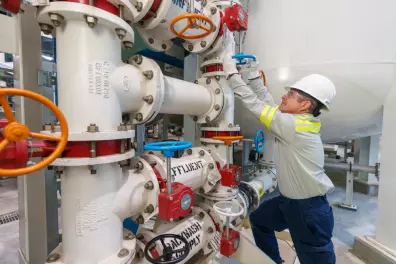
Minimizing water intake and improving discharge quality
The pulp and paper industry's water-intensive processes require optimized water management. Reducing water intake intensity and effluent volumes, while improving discharge quality, helps preserve water resources, meet environmental regulations and limit impacts on surrounding ecosystems.
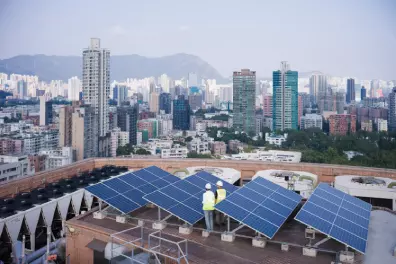
Supporting your decarbonization targets
Pulp and paper industry activities contribute significantly to global greenhouse gas emissions. Improving energy efficiency, optimizing processes and integrating low-carbon solutions enable industries to meet decarbonization targets while maintaining operational performance.
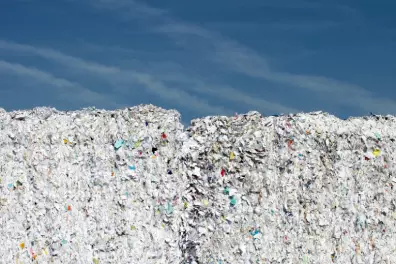
Reducing industrial waste to landfills
Pulp and paper operations generate large volumes of waste as post-production mineral waste, for example. Safe treatment, recycling and recovery solutions reduce the amount of waste sent to landfills, improve resource efficiency and support circular economy objectives.

Our tailored solutions for pulp and paper industry
How making the pulp and paper industry more productive and cleaner?
Thanks to its expertise in water, waste, and energy management, Veolia implements tailored solutions to address the challenges of the pulp and paper industry to:
Lower costs and increase production
By recycling all wastewater to reduce water bills for the paper-making process.
Ensure industrial continuity
By optimizing energy supplies for the Pulp and Paper mills.
Comply with all local regulations
By designing comprehensive water management strategies for the Pulp and Paper market.
Recover by-products
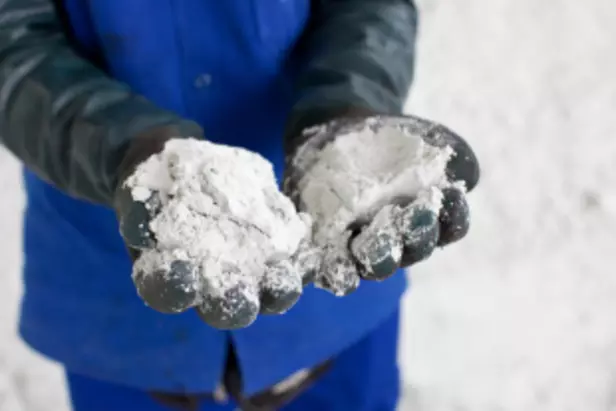
Helping to reduce the ecological footprint of our customers for example by converting post-production mineral waste into products for correcting soil acidity.
“ The pulp and paper industry faces critical challenges including declining demand for traditional paper products, increasing pressure to reduce environmental impact, rising energy and raw material costs, and the need to transition toward circular economy models. At Veolia, we're partnering with manufacturers to transform these challenges into opportunities, through innovative water, waste, and energy solutions. ”
Murat ISIKVEREN
Market Director Pulp & Paper, Veolia
They did it!
Spain
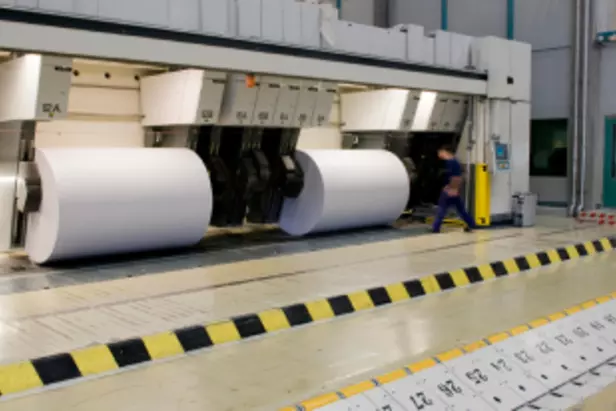
At Hinojosa Paper, Veolia operates the biomass plant and all water treatment facilities, managing 2,500 m³/day of wastewater. Biogas from the wastewater treatment plant (WWTP) is reused for steam, generating up to 8 % energy savings while ensuring compliant discharge quality and fewer production stoppages.
Brazil
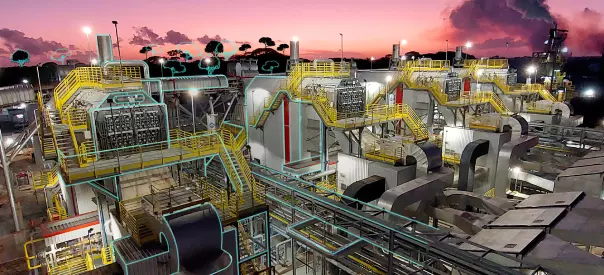
At Suzano’s new mill in Ribas do Rio Pardo, Veolia delivers full EPC (Engineering, Procurement, Construction) services for industrial water and wastewater treatment, regenerating water for local communities, optimizing costs, and ensuring reliable production for the world’s largest pulp facility.
South Korea
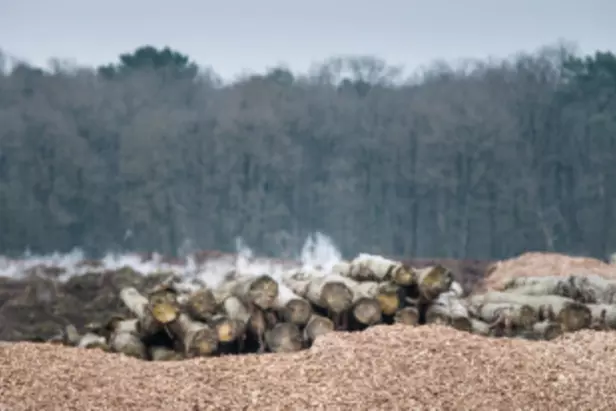
At KleanNara, Veolia operates 2 solid recovered fuels (SRF) boilers under a 15-year AOT contract, refurbishing equipment to reduce fouling and secure 60 t/hour of steam. Solid fuels are sourced from the plant’s production process, improving efficiency and minimizing external energy costs.
Finland
As part of the Odin project, Veolia operates a plant transforming sulfate methanol and turpentine into biomethanol and terpenes, achieving over 94 % CO₂ reduction. The project includes a 15-year partnership with Metsä Fibre, CAPEX of €51.1 M, and ensures continuous supply of raw materials while generating high-value, low.
Our solutions for other industries
Discover how industrial companies are reducing their environmental impact
while meeting the specific constraints of their operations
We offer solutions for every sector
- Mining industry: solutions for a sustainable future
- Food and beverage industry: reducing its environmental footprint
- Energy & chemicals: transforming regulations into environmental opportunities
- Pharma and life sciences industries: combining quality with sustainability
- Automotive industry: driving to a greener future
- Defense industry: improving competitiveness
- Construction: reduce the environmental footprint of buildings and construction sites
- Chemical industry: between regulations and the environment
The experiences of different industry players
*Source: Eurostat, IEA