


Why are energy, water, waste and CO₂ emissions crucial issues for the food and beverage industry?
With changing eating habits, population growth and rising living standards, the food and beverage sector is facing a major challenge: Meeting the increasing demand for safe, nutritious products while reducing resource consumption and minimizing environmental impact.
The food and beverage industry is a major consumer of resources. Before reaching our tables, food and beverage products undergo an elaborate manufacturing process, with each step requiring the use of water and energy.
To preserve precious and often limited water resources that can jeopardize the industrial process, industry players must optimize the water cycle. At the same time, they must continue to reduce energy consumption to keep manufacturing costs down.
In addition, food and beverage manufacturing generates significant organic waste streams, which have to be managed in the most sustainable way. Therefore, beyond production, the food and beverage industry embraces the principles of reduce, reuse, renew, and recycle to limit packaging waste, pollution, and carbon footprint without compromising product quality and safety.
Across all sectors, industry accounts for approximately 20% of global freshwater withdrawals.*
Food and beverage industry challenges
Production growth in water-stressed regions
In water-scarce regions, food and beverage manufacturers confront a critical challenge: balancing production growth with sustainable water management. Compounded by depleting aquifers, stricter regulatory limits on freshwater extraction and the need for effective wastewater treatment, the industry must achieve ambitious water consumption reduction targets of 30–50%. To meet these goals, transformative water recycling technologies are essential, enabling near-zero freshwater dependency and ensuring long-term operational resilience.
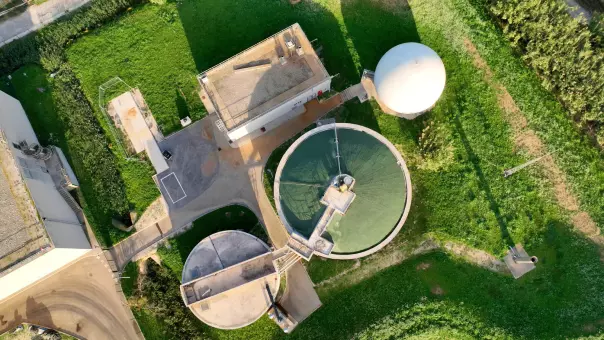
Energy efficiency for high-volume food production
Large-scale food processing operations depend on a consistent and uninterrupted energy supply to maintain continuous production. Manufacturers face the critical challenge of ensuring reliable energy availability while actively decarbonizing their operations. Meeting both demands requires innovative solutions that integrate renewable fuels and eliminate unexpected costs, without compromising production efficiency.
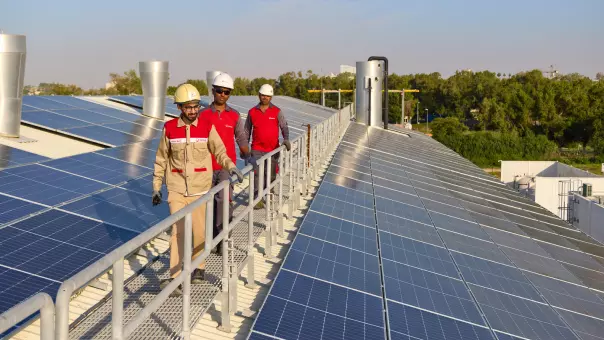
Biogas valorization from organic waste
Food processors generate significant volumes of organic waste that can be converted into biogas through anaerobic digestion. Yet, many lack the infrastructure to efficiently produce biogas, missing opportunities to reduce natural gas consumption by 15–20% and lower emissions. Integrated solutions that turn organic waste streams into usable energy are key to unlocking operational value and cutting environmental impact.
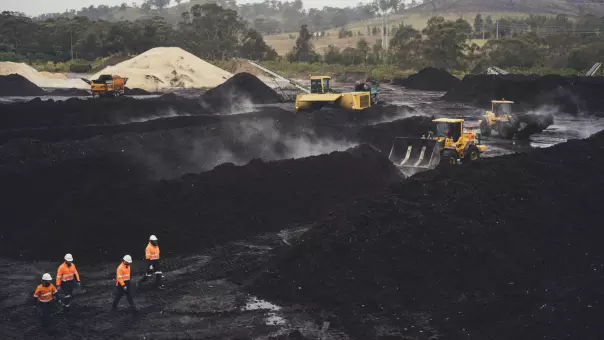
Packaging waste: a recovery challenge
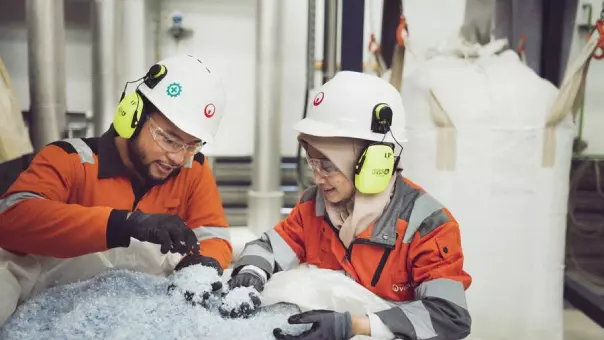
Multi-product food facilities generate diverse waste streams—organic residues, contaminated polystyrene, and mixed packaging—complicating recovery and increasing costs. With conventional methods achieving only 70% recovery, manufacturers need advanced on-site depackaging and separation technologies to reach 95%+ recovery rates, turning waste into reusable materials while cutting costs and emissions.

Our tailored solutions for food and beverage industry
How can we improve productivity and sustainability in the food and beverage sector?
Thanks to its expertise in water, waste and energy management, Veolia implements tailored solutions for food and beverage industry to:
- Lower costs and increase production, by recycling and treating wastewater to reduce water consumption throughout the food and beverage manufacturing process.
- Ensure operational continuity, by optimizing energy supplies and improving energy efficiency across Food & Beverage production facilities.
- Comply with all local environmental regulations, designing comprehensive water and waste management strategies tailored to the Food & Beverage market.
- Recover by-products, helping to reduce the ecological footprint of our customers, for example by converting food processing waste into biogas, compost, or valuable raw materials.
“ Ensuring a sustainable global food chain demands immediate transformative action. The industry must lead the charge in decarbonization and energy efficiency leveraging biogas and biomethane as cornerstones of a circular economy. Our innovative water cycle management protects vital watersheds and aquifers, ensuring regulatory compliance for treated wastewater. We close the loop by developing bio-waste valorisation for regenerative agriculture, creating shared value for farming communities and businesses. ”
Jean-Marie LEDOUX
Market Director, food and beverage, Veolia
They did it!
United Kingdom
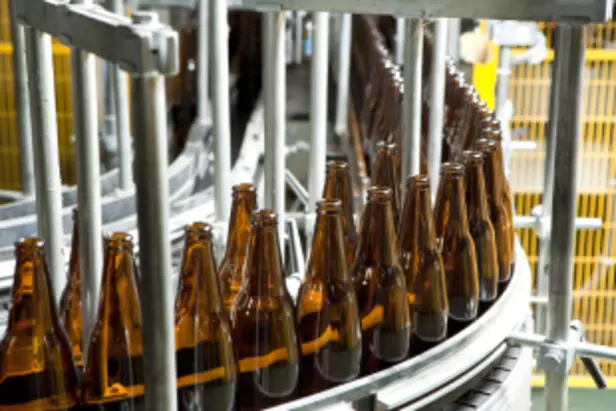
Our solution for industrial by-product valorization creates both environmental and economic value. At Diageo’s Roseisle distillery, which produces 12.6 million litres of premium malt whisky annually, Veolia addressed high energy demand and insufficient water recovery through an innovative circular solution. This integrated approach reduces energy costs, minimizes carbon and water footprints, decreases reliance on fossil fuels, and protects the local aquifer.
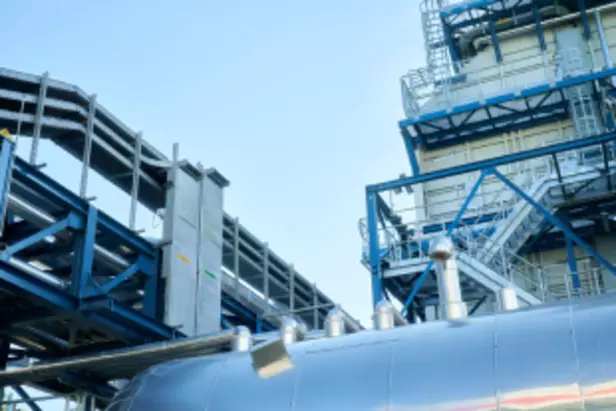
We designed and built a biomass-fired heating network to support increased production capacity while reducing carbon emissions at Saputo’s Davidstow site, UK's largest cheese producer. The system supplies 100,000 tonnes of steam annually for pasteurization and drying processes that transform 500 million liters of milk from 330 dairy farmers into 55,000 tonnes of cheese each year.
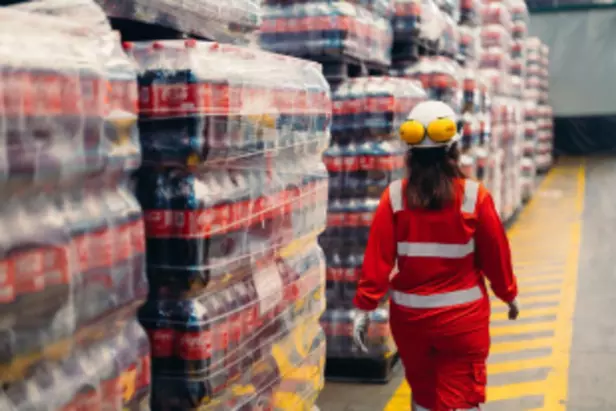
We ensure operational resilience and commitment to supporting clients through unprecedented challenges. During the global Covid-19 pandemic, Veolia successfully launched an integrated waste management service for Coca-Cola FEMSA's bottling plants across Colombia. Despite lockdown restrictions, Veolia activated business continuity plans and reorganized teams to deliver a comprehensive recycling and energy efficiency solution across all facilities.
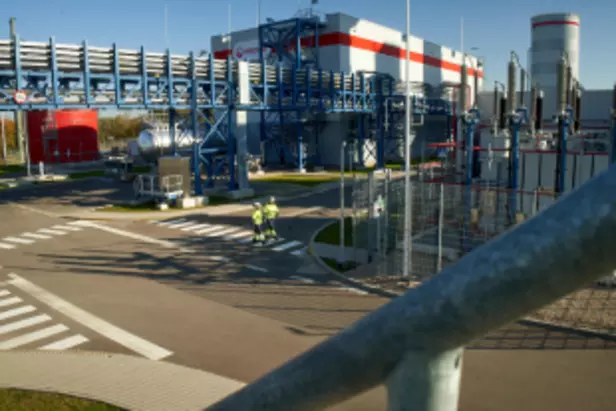
We apply a circular economy approach to convert waste into valuable resources. For example, at Mars' pet food and chocolate production facility, Veolia implemented an integrated anaerobic treatment system to manage wastewater and waste streams while maximizing biogas production and water reuse. The system achieves 50% water reuse in the factory and 50% river discharge, while producing 1 MW of electrical energy from biogas.
Our solutions for other industries
Discover how industrial companies are reducing their environmental impact
while meeting the specific constraints of their operations
We offer solutions for every sector
- Mining industry: solutions for a sustainable future
- Pulp and paper industry: producing more and polluting less
- Energy & chemicals: transforming regulations into environmental opportunities
- Pharma and life sciences industries: combining quality with sustainability
- Automotive industry: driving to a greener future
- Defense industry: improving competitiveness
- Construction: reduce the environmental footprint of buildings and construction sites
- Chemical industry: between regulations and the environment
The experiences of different industry players
*Source: Unesco